Source with elastic around disposable hair net for Medical, Food, and Cleanroom Use
Find 30 verified options for with elastic around disposable hair net suitable for medical, food, and cleanroom environments. Compare specifications such as size, weight, and certification to identify the right supplier for your bulk sourcing needs; compare the available evidence and request quotations based on your requirements.
Key considerations
Products List





Comprehensive Sourcing Guide
with elastic around disposable hair net Sourcing Guide
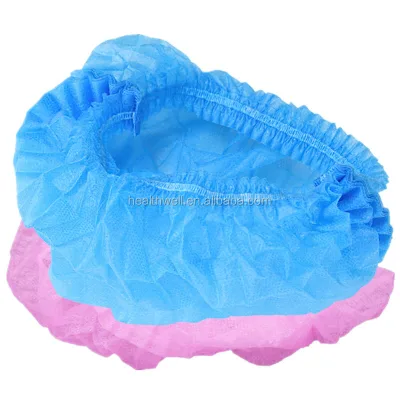
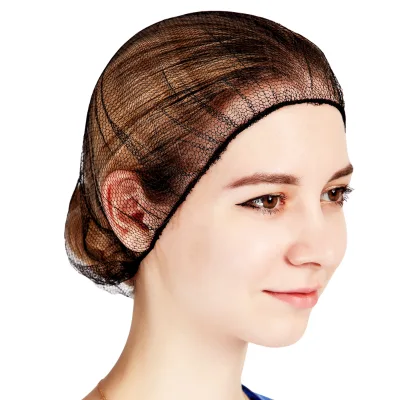
Procurement teams must first distinguish between hair nets featuring elastic bands and those relying on tie-on closures, as the supplied data explicitly lists "with Elastic or Tie on" as a primary style variable. This distinction dictates the fit and retention mechanism required for specific operational environments, such as cleanrooms where elastic ensures a secure seal without loose ends, versus food processing where tie-on options might be preferred for quick removal. Buyers should verify the specific closure type in the product listing before proceeding, as the mechanical properties of the elastic band directly influence the product's ability to contain hair effectively during movement.
The observed market signals indicate a diverse range of models, including the HN and B1002 series, which often feature lightweight nonwoven construction suitable for adult use. While some listings specify a weight of 16G/M and up, others indicate a lighter 10-12G/M2 range, suggesting that elasticity and material density are independent variables that must be cross-referenced. Sourcing strategies should prioritize suppliers who clearly define the closure mechanism alongside the material weight, ensuring the selected product meets the specific containment needs of the intended application without unnecessary bulk or cost.
Product Scope and Observed Listing Signals
Buyers should analyze the observed price range of 0 to 9.85 USD to understand the cost variance associated with different closure types and material densities. The wide range suggests that products with elastic bands may command a different price point compared to tie-on variants, potentially due to the additional manufacturing steps required to integrate the elastic component securely. Procurement teams must correlate the listed price with the specific model number and closure style to avoid overpaying for features that do not align with their operational requirements or underestimating the cost of high-quality elastic integration.
The packaging configurations observed, such as 100PCS/Bag with 20 bags per carton or 1PC/Bag with 1000PCS/Carton, offer flexibility for different inventory strategies. Teams should evaluate whether the elastic band product requires specialized packaging to prevent the elastic from degrading or tangling during transit, as the standard packing methods listed may vary in their protective capabilities. Selecting the appropriate packaging unit is critical for maintaining product integrity, especially when the elastic component is sensitive to compression or environmental factors during storage and shipping.
Technical Specifications to Verify
Verification of the standard sizes, which include 17'', 18'', 19'', 20'', 21'', and 24'', is essential to ensure the elastic band provides a proper fit for the target demographic. The presence of multiple size standards indicates that the elastic tension must be calibrated for each specific dimension to prevent slippage or excessive tightness. Buyers must confirm that the elastic band's stretch and recovery properties are consistent across the selected size to guarantee a secure fit that accommodates various head shapes without compromising the integrity of the hair net.
The material composition, often described as lightweight disposable PP, requires scrutiny regarding its interaction with the elastic band. While some listings specify a weight of 2-3G or 10-12G/M2, the integration of the elastic must not compromise the structural stability of the nonwoven fabric. Procurement teams should request technical data sheets that detail the tensile strength of the elastic and its bonding method to the fabric, ensuring the product remains intact during the dynamic movements typical of medical, industrial, or food service applications.
Compliance and Safety Documentation
The availability of CE and ISO13485 certifications is a critical factor for buyers operating in regulated medical or industrial sectors. These certifications indicate that the manufacturing process, including the integration of elastic bands, adheres to strict quality management systems and safety standards. Buyers must verify that the specific model with the elastic closure holds these certifications, as the presence of elastic components can introduce unique failure modes that require specific validation to ensure compliance with regulatory requirements.
Ethical and safety standards regarding sterilization must also be confirmed, as the supplied facts note that products are typically "Without Ethylene Oxide Sterilization" and "Non-Sterilized." This distinction is vital for applications where sterility is not required, such as general industrial or food service use, but must be clearly communicated to avoid confusion with sterile medical-grade products. Procurement teams should ensure that the documentation explicitly states the sterilization status to prevent the misuse of non-sterile elastic hair nets in environments where sterility is a mandatory safety requirement.
Cost Drivers and Commercial Terms
The Minimum Order Quantity (MOQ) range of 50 to 300,000 units presents a significant variable in total cost of ownership, heavily influenced by the customization of the elastic band and packaging. Lower MOQs may be available for standard models, but customizing the elastic tension or color often requires higher volume commitments to amortize the setup costs. Buyers should negotiate based on their projected usage, balancing the need for customization against the financial impact of higher MOQs to optimize cash flow and inventory levels.
Lead times and loading ports, such as Wuhan or Shanghai, are additional commercial factors that impact the supply chain efficiency for elastic-based products. The complexity of integrating elastic bands may extend production lead times compared to simpler tie-on variants, requiring careful planning to avoid stockouts. Procurement teams should factor in the potential for longer lead times when negotiating contracts, ensuring that the supplier has the capacity to meet delivery schedules without compromising the quality of the elastic integration.
Supplier Qualification and Quality Control
Supplier qualification should focus on their ability to maintain consistent quality in the elastic band integration, as this is a common point of failure in disposable hair nets. The observed "Two Years" quality guarantee period suggests a commitment to durability, but buyers must verify that this guarantee specifically covers the elastic component's performance over time. Requesting sample testing for elastic fatigue and retention is a prudent step to ensure the supplier's quality control processes can consistently deliver products that meet the required performance standards.
The availability of free samples allows buyers to physically inspect the elastic band's quality, fit, and comfort before committing to a large order. This hands-on verification is crucial for assessing whether the elastic provides the necessary tension without causing discomfort or slipping during use. Procurement teams should utilize the sample phase to test the product in real-world conditions, ensuring that the supplier's claims regarding the elastic's performance align with the actual user experience in their specific operational environment.
Long-Term Procurement Checks
Long-term procurement strategies must include regular audits of the supplier's ability to maintain the specific elastic specifications required for the product. As production volumes scale, there is a risk of material substitution or changes in the elastic manufacturing process that could affect the product's performance. Buyers should establish clear quality benchmarks for the elastic band and conduct periodic reviews to ensure the supplier continues to meet these standards without deviation.
The potential for customization, including logo printing and color variations, offers opportunities for brand differentiation but requires ongoing management of the supply chain. Buyers should monitor the consistency of these custom features over time, ensuring that the elastic band does not interfere with the printing process or the overall aesthetic of the product. Establishing a long-term partnership with a supplier who can reliably deliver customized elastic hair nets will help maintain brand consistency and operational efficiency over the life of the procurement contract.
FAQs
What sizes are available for with elastic around disposable hair net?
Standard sizes include 17, 18, 19, 20, 21, and 24 inches. These dimensions accommodate various head shapes and hair volumes. Buyers can select the appropriate fit based on specific usage requirements. Custom sizing options are also available upon request to meet unique operational needs.
Can I customize the logo on the disposable hair net?
Yes, logo printing is available for these products. This allows businesses to brand their protective gear effectively. Customization supports marketing efforts and internal identification. Buyers should contact suppliers directly to discuss design specifications and minimum order quantities for branded items.
What certifications do these disposable hair nets hold?
Products typically hold CE and ISO 13485 certifications. These standards ensure quality and safety for medical, industrial, and food applications. Some items may also carry FSC certification. Buyers should verify specific certificates with suppliers to confirm compliance with their regional regulatory requirements.
How are the hair nets packaged for shipment?
Packaging varies by product type. Common options include 100 pieces per bag with 20 bags per carton. Other configurations offer 1000 pieces per carton. Proper packaging ensures hygiene and ease of storage. Buyers should confirm packing details with suppliers to align with their logistical preferences.
What is the quality guarantee period for these products?
The quality guarantee period is two years. This ensures product reliability and performance over time. The expiry date is typically five years from production. Buyers can rely on this timeframe for inventory management and usage planning without compromising safety standards.
Are these hair nets sterilized before use?
Most items are non-sterilized and do not use ethylene oxide sterilization. They are suitable for general industrial, food, and beauty applications. Sterile options may be available for specific medical needs. Buyers should specify their sterilization requirements when ordering to ensure the product meets their safety protocols.